
When Colorado Parks and Wildlife (CPW) set out to modernize the way it tracks fish stocking, hatchery operations, and aquatic health, it faced a familiar challenge—how to find an off-the-shelf system for these specialized tasks to replace their aging software. With dozens of hatcheries, thousands of stocking events, and millions of fish to monitor each year, CPW needed a flexible, modern system to unify its data and streamline collaboration across programs. The problem was, a product for modernizing fish management did not yet exist.
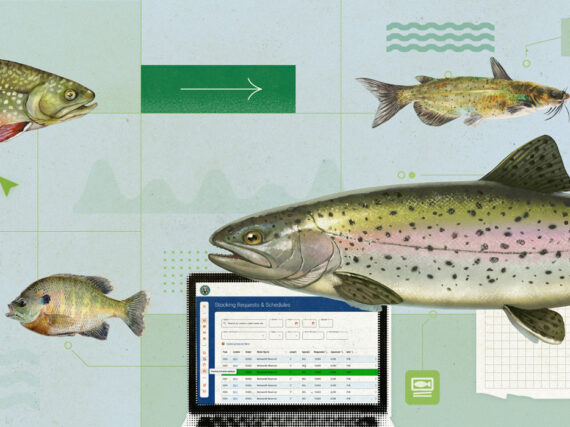
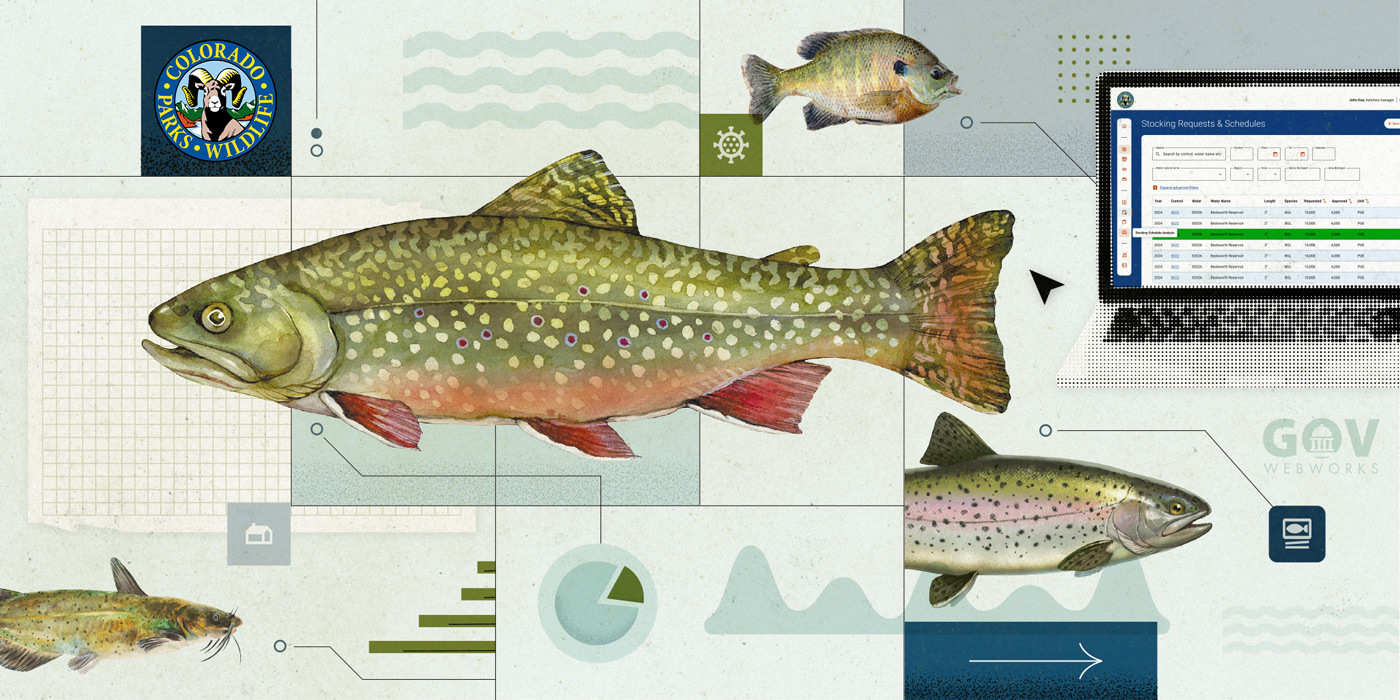
The solution? Working with GovWebworks, CPW developed COFish, a custom web application that brings together fish production, stocking logistics, and health certification into one cohesive platform.
The app allows biologists to enter fish stocking requests that the hatchery manager reviews and approves, and hatchery staff use that information to plan and log fish production. The fish health team logs annual inspections and results for fish units and waters being stocked. The app allows everyone involved to see all the data to gain an overall picture of the waters being managed resulting in faster communication, better decision-making, and a single source of truth for everyone from field biologists to fish health specialists.
We sat down with four members of CPW’s Aquatic Section to learn how COFish is modernizing fish management by reshaping their work in the lab, hatchery, and field.
Riley Morris: Aquatic Asset Manager
April Kraft: Aquatic Animal Health Program Manager
Ben Felt: Senior Aquatic Biologist, Northwest Region
Brandon White: Warm Water Production Supervisor
How has COFish changed the way you work?
Riley Morris:
As a statewide hatchery supervisor, I used to spend hours piecing together spreadsheets to answer questions from agency leadership or the public. Now, I can pull up data or create a QuickSight visualization in minutes.
COFish makes it much easier to track fish stocking requests and ensure hatcheries meet their production goals. It also makes data entry and tracking much more straightforward.
It’s been a big step forward for fish health. Now, when someone schedules a stocking event, COFish checks it against CPW’s fish health policies and flags potential issues to help ensure fish from the right hatcheries end up in the right waters.
April Kraft:
For me, the biggest change has been access. I used to have to call staff back at the lab to dig through paper files when I was on the road.
Now, I can access everything instantly, inspection data, diagnostic cases, fish health certificates, all in one place from anywhere.
It’s truly a live system that tracks every step of our casework from start to finish. That’s reduced errors, saved time, and made it easier to share information across programs and with our out-of-state partners.
Ben Felt:
Our team uses COFish daily to submit and review stocking requests, look at historical data, and track both sport fish and native species stocking.
The data visualizations in QuickSight have been a game-changer. We can see trends, compare results across years, and use that information in our management decisions in a very effective and streamlined manner.
Brandon White:
COFish has completely changed how we coordinate fish movements and communicate across programs. From a production standpoint, we can now see in real time what’s being requested, what’s available, and where those fish are headed.
The support from GovWebworks has also been excellent—they’ve adapted the system based on our feedback and needs, which keeps it evolving alongside our work.
What was the old system like?
Riley Morris:
Our old software, Tran-6, had reached the end of its life. It was originally built by a hatchery manager who retired over a decade ago, and no one could maintain it. We were running two separate systems—one for fish health and one for hatcheries—and they didn’t talk well to each other.
With COFish, fish production and fish health are integrated and supported. We can track fish health, stocking, and movement in one place, and we have confidence that bugs or issues will be fixed quickly.
Brandon White:
The transition was challenging since people are used to their old tools, but with strong training and clear communication from GovWebworks, it went smoothly. Once staff saw how intuitive the new system was, and how much time it saved, adoption followed quickly.
How are biologists using COFish in the field?
April Kraft:
From the fish health perspective, we test wild populations or hatcheries for pathogens before any fish are moved or stocked.
COFish tracks all those fish certifications and inspections, so we can ensure every fish that goes into Colorado waters meets our health standards.
Can you walk us through a typical workflow?
Brandon White:
Biologists start by entering stocking requests, species, sizes, and numbers, directly in COFish. I review and approve those, and hatchery staff use that information to plan and log their production and stocking events.
Meanwhile, April’s team logs annual inspections and diagnostic results.
Since it’s all in the same system, everyone can see the latest information instantly. That’s critical, because producing fish is a long-term process, 10 to 18 months from start to release for many of our coldwater species.
COFish helps us plan that far ahead with confidence.
Has it improved communication across teams?
Brandon White:
Definitely. We could coordinate before, but now it’s more efficient and transparent.
COFish automatically catches potential health or policy issues before I approve a stocking request, which saves time and prevents problems later.
Ben Felt:
I just used QuickSight to review all 2026 stocking requests for our region in a very efficient manner. I can filter by biologist, species, or total numbers and see everything at a glance.
What have you learned through this process—and what’s next?
Brandon White:
We’re already developing new features, like bulk approvals for stocking requests. That’ll be a huge timesaver.
My biggest lesson: test every feature early and involve users at all levels in that process.
April Kraft:
I agree. Early user involvement was key to our success. We learned that assumptions about how people work, what seems “obvious” can trip you up if they aren’t documented clearly. For future versions, I’d love to add more dashboards and user notifications to make data even easier to digest.
Looking Ahead
For Colorado Parks and Wildlife, COFish represents far more than a new database—it’s a unifying system that brings hatcheries, field biologists, and fish health experts together. With better data, stronger communication, and real-time visibility, CPW is setting the standard for modernizing fish management.
At GovWebworks, we’re proud to support that mission through flexible, user-centered technology that grows with the organization. Together, we’re helping CPW ensure that Colorado’s fisheries—and the communities who depend on them—thrive for generations to come.
Learn more
- No Colorado Fish Left Behind: How we built the COFish app to support Colorado’s fisheries and ecosystems
- COFish Case Study
- Contact GovWebworks for a demo