
Tax day on April 15 isn’t the only deadline to watch this spring. The April 24, 2026 deadline for government agencies to bring all online services up to the ADA Title II compliance is now just two months away. The Department of Justice (DOJ) mandate officially establishes WCAG 2.1 Level AA as the legal requirement for the public sector, signaling organizations to prioritize high-impact content over “quick fix” overlays.
I saw the momentum for this digital transition firsthand while attending the M-Enabling Summit in the fall of 2025 as part of the recertification process for my CPACC accessibility certification. Global leaders at the summit defined a crucial roadmap for the landscape we now face: one where the DOJ’s new requirements have moved accessibility from a list of optional best practices to a definitive, enforceable legal standard.
Whether your organization is putting the finishing touches on a multi-year plan or is just now assessing the requirements, the goal remains the same: to build a digital environment that serves everyone.
Here are some takeaways from the M-Enabling Summit on how to implement the April 24 requirements, and carry that momentum forward after the deadline.
Get David Read’s tips for how to fix the most common accessibility errors.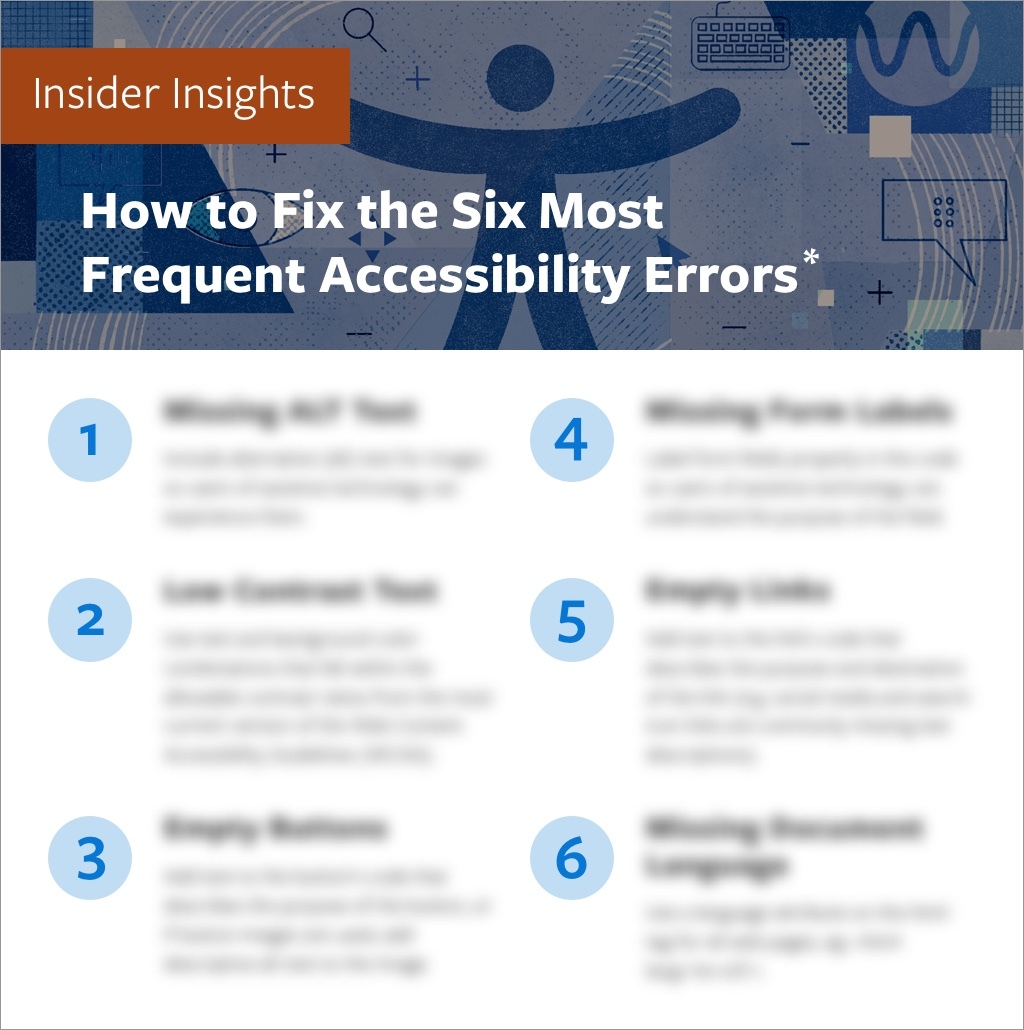
Insider Insights

1- Be POUR by default
The Department of Justice has established WCAG 2.1 Level AA as the technical benchmark for digital content. At M-Enabling, the consensus was that this “Gold Standard” is about more than just legal safety; it ensures content is perceivable, operable, understandable, and robust (the POUR principles) for all users.
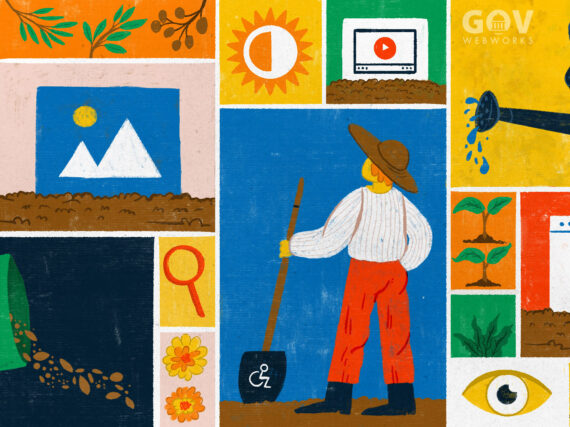
To maintain this status long-term, accessibility must be woven into daily content workflows, ensuring every new PDF, video, or web page is “accessible by default.” It is much more cost-effective to build accessibly from the start than to remediate a finished product.
2 – Address the entire digital footprint
A recurring theme from the summit was that accessibility cannot exist in a vacuum; this “holistic” vision is directly echoed in the ADA Title II update, which clarifies that an organization’s legal responsibility is not limited to a single website. The mandate covers your entire digital footprint to ensure a seamless experience across all touchpoints:
- Mobile Apps: Native applications must integrate seamlessly with assistive technologies. This includes proper labeling of buttons for screen readers and ensuring that touch targets are large enough for users with motor impairments.
- Digital Documents: Often the most overlooked, PDFs and spreadsheets must be remediated to ensure critical information is reachable. This involves tagging documents correctly so that screen readers can identify headers, tables, and lists in the correct reading order.
- Third-Party Platforms: Organizations remain legally accountable for the accessibility of vendor-provided services, such as payment portals, meeting software, or social media embeds. If a citizen must use a third-party app to pay a parking ticket or register for a local program, that app must be accessible, or the government entity may be held liable.
3 – Choose sustainable design over quick fixes
One of the strongest warnings from that continue to be sounded my many including M-Enabling experts concerned accessibility overlays. These automated “one-line-of-code” widgets are often marketed as easy solutions, but they are widely considered inadequate and, in many cases, a liability. In 2023, approximately 30% of all digital accessibility lawsuits involved websites that were using an overlay, proving they do not provide a “legal shield.”
Overlays rarely fix underlying architectural issues and can actually interfere with screen readers. Users who already utilize their own customized assistive technology often find that overlays override their settings, creating a broken experience. True compliance requires “shifting left”—incorporating inclusive design at the start of the development lifecycle rather than patching it at the end. This includes vetting vendors through Voluntary Product Accessibility Templates (VPATs) and conducting objective evaluations before any purchase decisions are made.
4 – Start with an accessibility audit
The most vital step in this journey is a comprehensive accessibility audit. You cannot fix what you haven’t identified, and a professional audit provides the necessary baseline to understand where your digital assets currently stand. For those who are just now starting their compliance journey, it is not too late to begin.
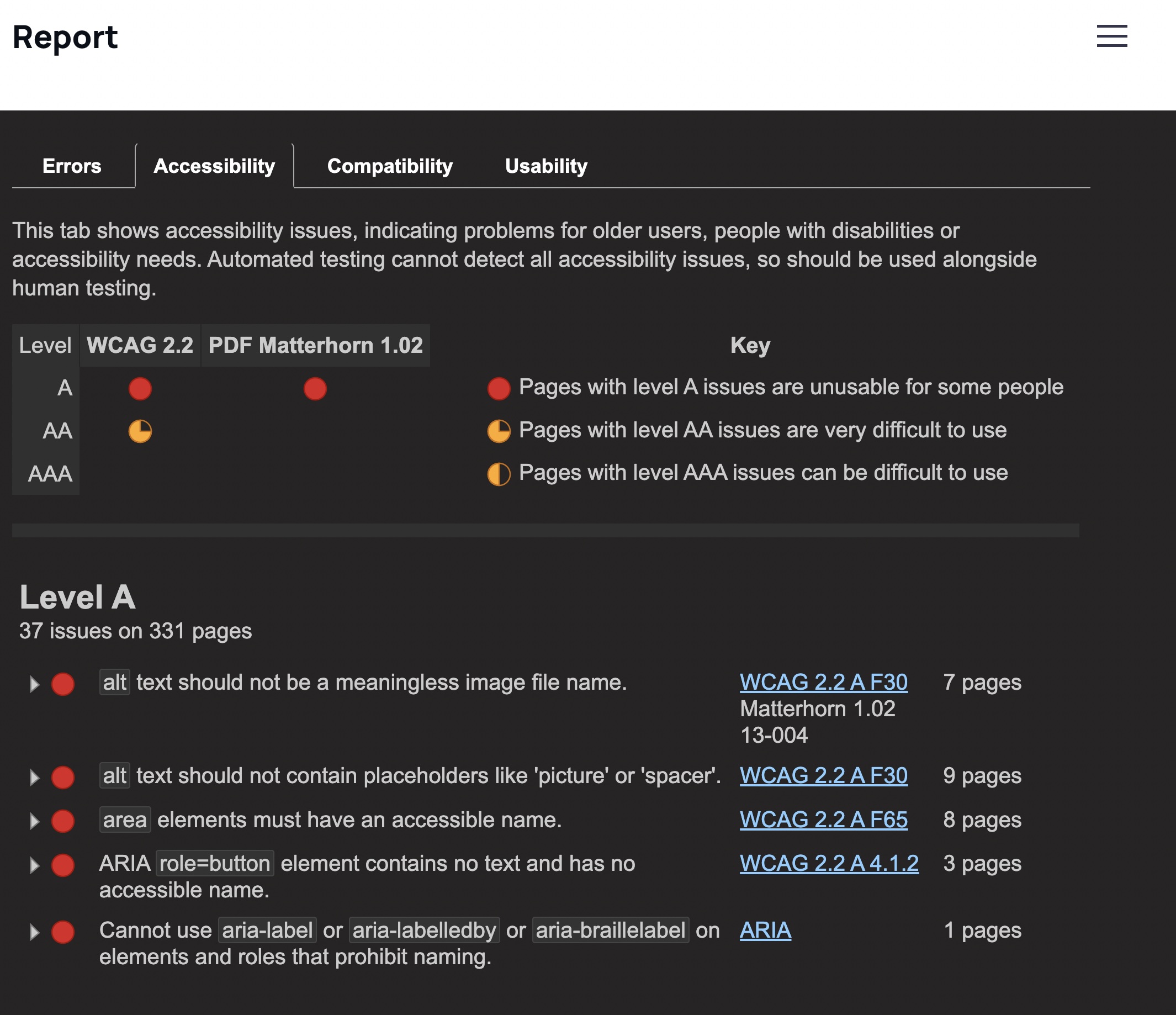
GovWebworks specializes in these deep-dive assessments, identifying high-risk areas and providing a prioritized roadmap for remediation. A professional audit is more than an automated scan; it is a multi-layered evaluation that combines automated tools with rigorous manual testing. Automated scans typically only catch about 25–30% of accessibility barriers—missing critical issues like logical tab order, the meaningfulness of alternative text, and the complex interactions within dynamic web applications.
Our team can help you navigate the complexities of the law, ensuring that even under a tight timeline, your efforts are focused where they will have the most impact on both user experience and legal protection. By utilizing expert auditors who use screen readers like NVDA, JAWS, and VoiceOver, we ensure that your digital presence is tested by those who understand how assistive technology interacts with your specific code.
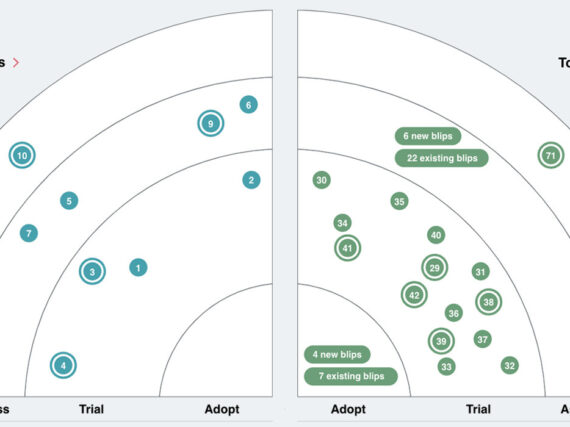
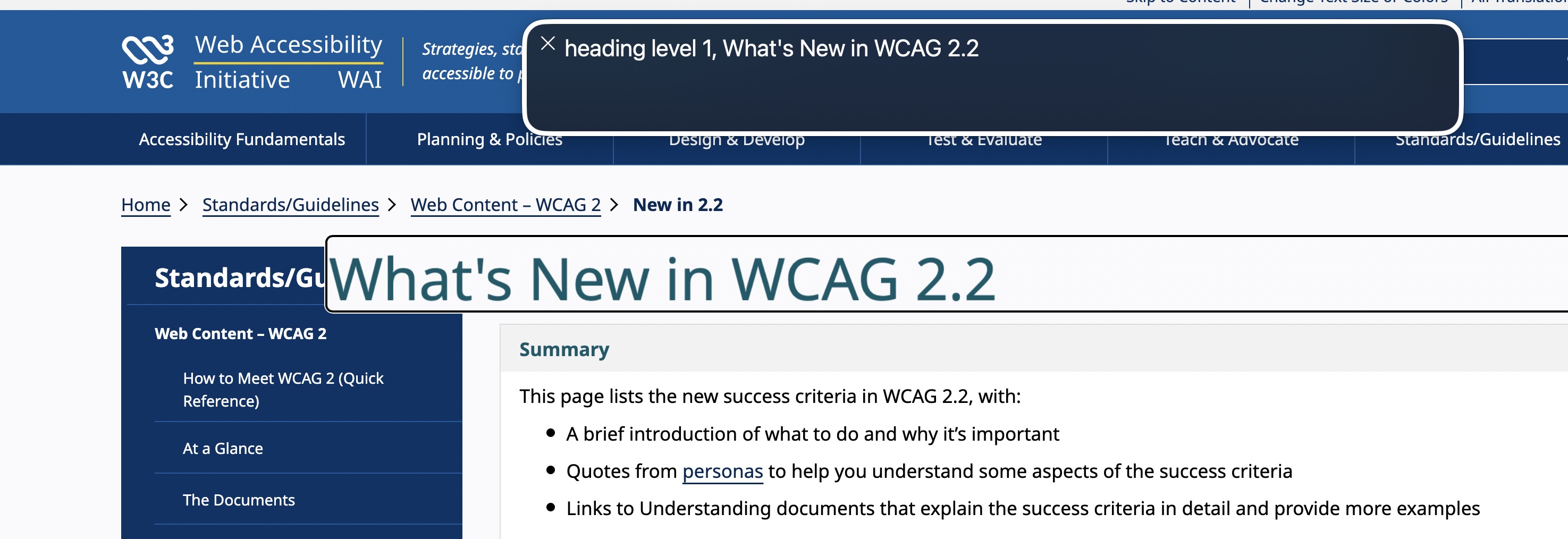
Some samples of auditing tools below:
5 – Make inclusion a strategy
As we look past the 2026 deadline, the goal is to shift from a “check-the-box” compliance mindset to one of continuous inclusion. Many prominent accessibility thought leaders believe that AI is poised to revolutionize the field, offering the potential to automate complex remediation and provide real-time, personalized adaptations for users with diverse needs. However, the M-Enabling Summit also highlighted that as AI becomes more integrated into public services, from chatbots to predictive healthcare, the services must be informed by the disability community to ensure they don’t inherit old biases or create new barriers. As the community likes to say: “Nothing About Us Without Us.”
The 2026 mandate is not just a hurdle to clear; it is a catalyst for modernizing how state and local governments interact with their constituents. By prioritizing accessibility, organizations improve usability for everyone, including the elderly, people with temporary injuries, and those in low-bandwidth environments.
April 24 checklist
To bridge the gap between now and the deadline, focus your efforts on the following priorities:
- Do a comprehensive audit
Start with a professional audit to identify high-risk barriers; GovWebworks can help by providing a clear technical roadmap to focus your remediation where it is needed most. - Remediate high-impact content
Prioritize essential services like emergency alerts, voting information, and high-traffic public portals. These are the areas where a barrier causes the most significant harm to the public and carries the highest legal risk. - Adopt a dual track for legacy sites
If you are replacing your site but keeping the old one live temporarily, adopt a dual-track strategy. While your new site should be accessible by design, use a “gap analysis” to identify and remediate only the most essential pages of the legacy site to mitigate risk during the transition. Note: per the exemptions noted in the DOJ’s Final Rule, not all legacy content will need to be remediated - Empower content creators
Invest in training so that content creators across your organization understand how to maintain these standards as part of their regular roles. This includes teaching communication teams how to write effective alt-text and ensuring developers understand semantic HTML.
In summary
The April 2026 deadline is a landmark for digital civil rights, but it is also an opportunity to improve the user experience for everyone. Whether you are finalizing your preparations or need an immediate audit to get started, taking an expert-led, proactive approach will ensure your organization meets its obligations and leads the way in digital equity. The clock is ticking, but with the right partnership and a clear roadmap, your organization can turn this mandate into a defining moment for inclusive service.
Where ever you are on your compliance journey, we invite you to contact the experts at GovWebworks today to schedule a free consultation, and check out some of our client work in Accessibility as Infrastructure.
Learn more
- Everyday Accessibility Tips: How teams can work together to avoid the most common web accessibility errors, and more, by David Read
- Best Practices for Web Content Accessibility: How to grow accessible digital experiences, by Sarah Crossman
- Download Accessibility Tips: How to fix the top six most frequent web accessibility errors, by David Read
- Contact GovWebworks for an accessibility audit