
“What kind of habitat do you manage?”
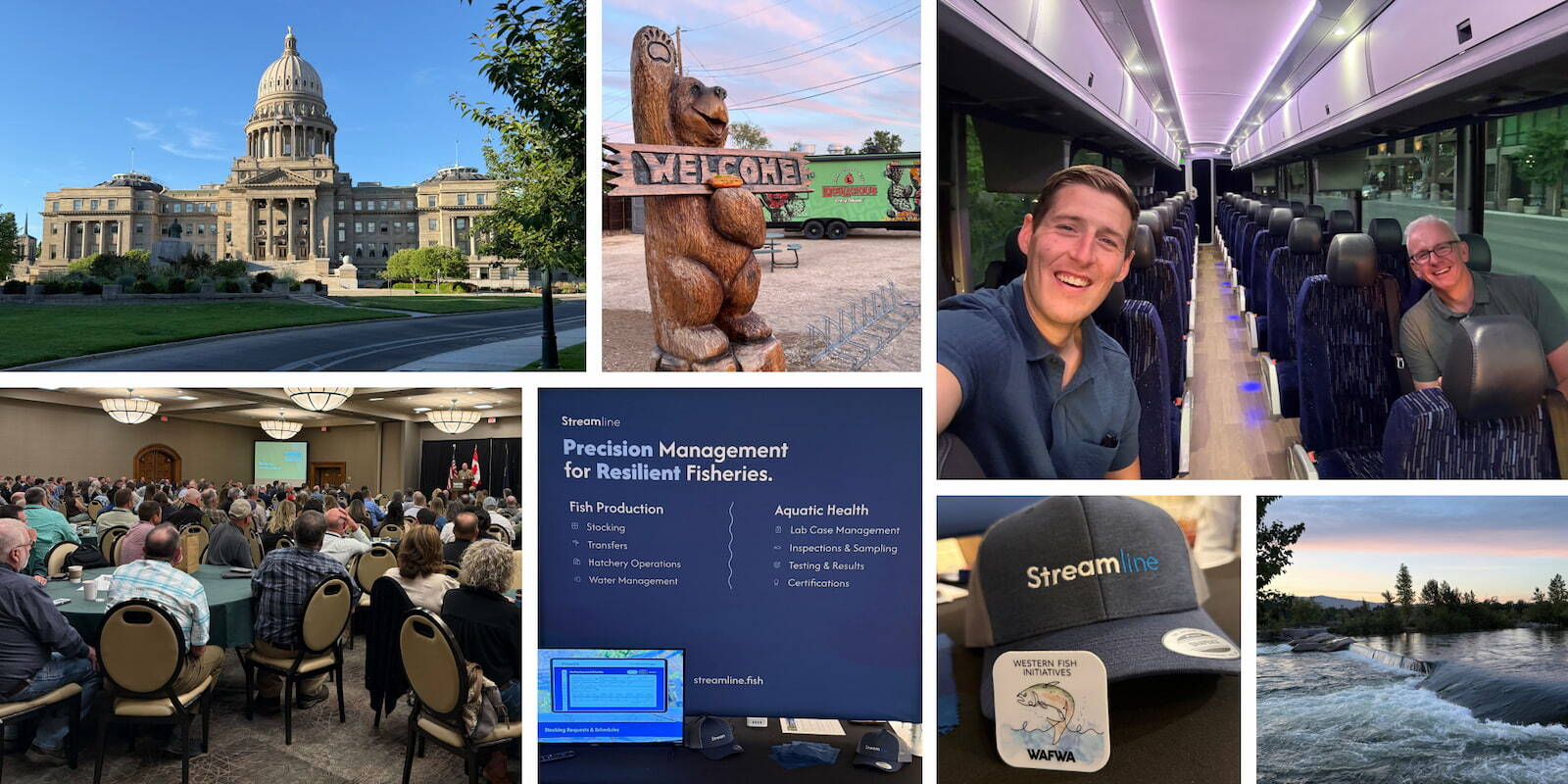
It seemed like a straightforward question. But when I asked it at the Western Association of Fish and Wildlife Agencies (WAFWA) Summer Meeting in Boise earlier this month, the answer caught me off guard.
“All of them, really,” the habitat manager I was speaking with replied with a smile. She went on to explain that grasslands, sagebrush ecosystems, forests, and aquatic systems are all interconnected in ways that make it difficult, and sometimes impossible, to think about them in isolation.
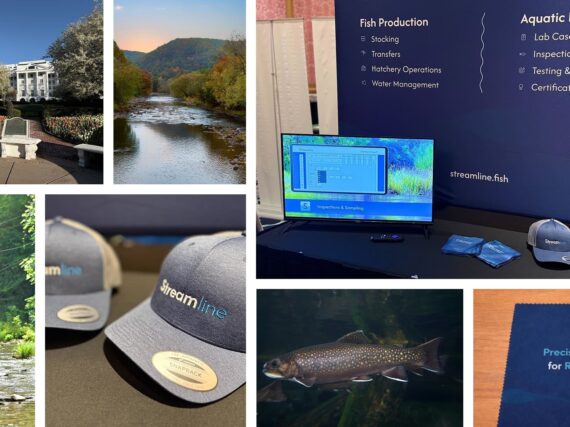
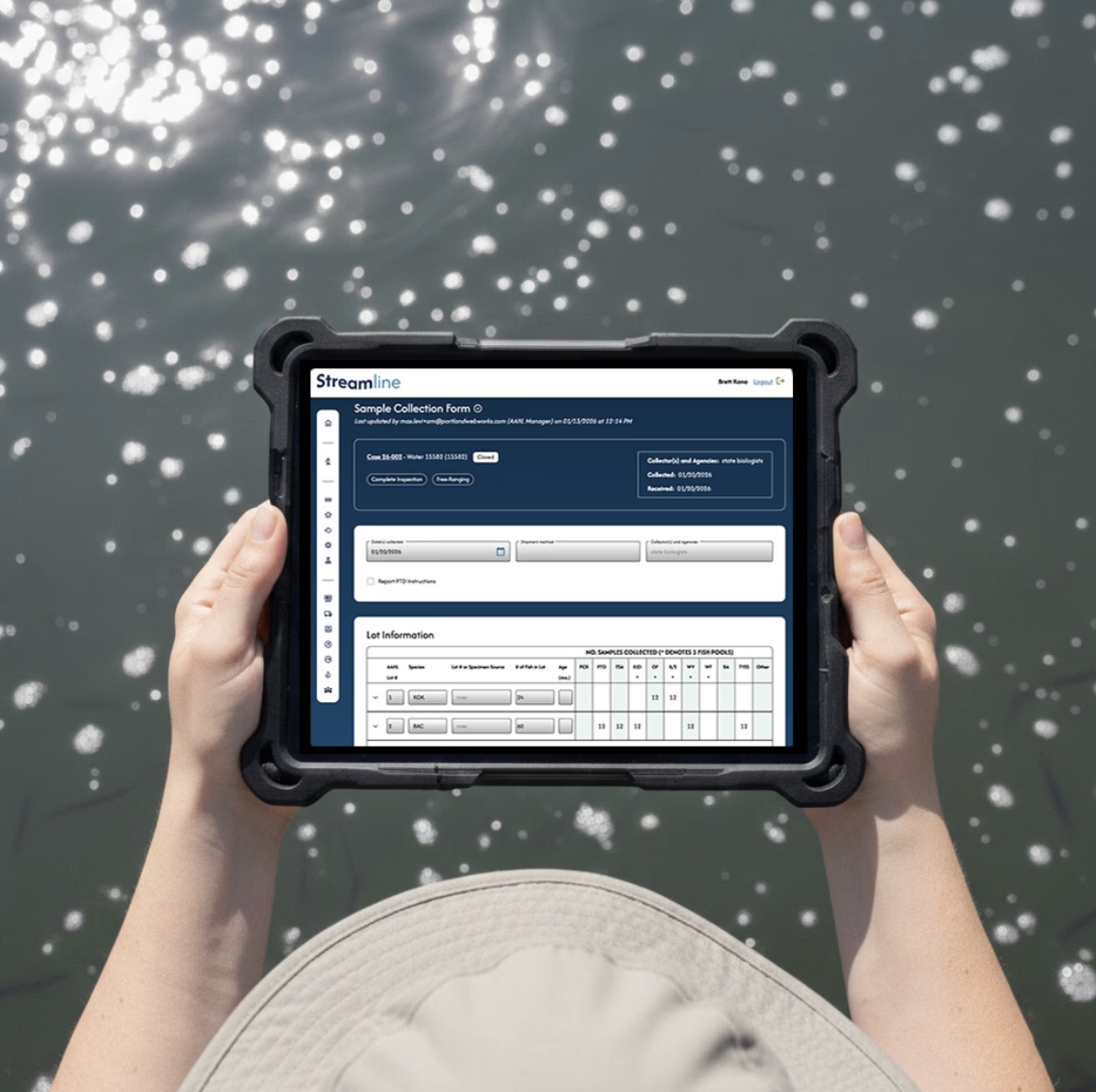
That conversation turned out to be a fitting introduction to the week. The Govwebworks team was at WAFWA to get the word out about our fisheries management platform, called Streamline, but more importantly, we were there to listen and learn. Our objective was to survey the landscape, hear how agencies across the region are managing their fisheries, and connect with the people who are doing the work every day.
One theme surfaced again and again: some of the biggest opportunities in conservation emerge when people extend themselves beyond conventional dividing lines and work together.
Beyond traditional lines
This theme of interconnection was established immediately. In his introductory remarks, WAFWA President Jim Fredericks encouraged attendees to think creatively about collaboration across committees, working groups, agencies, and disciplines.
Jim’s message wasn’t merely that “cooperation is important,” it was that opportunities exist at the intersections between teams, between areas of expertise, and the many good ideas already being pursued across the conservation community.
The more conversations I had throughout the week, the more I realized that interaction wasn’t an exception, it was a reflection of a much broader mindset. As anyone who has attended an industry conference knows, the best insights come from hallway conversations, discussions over coffee, and the dozens of impromptu conversations that happen throughout the week. Whether I was talking with habitat managers, fisheries biologists, wildlife professionals, or agency leadership, there was a consistent narrative that today’s conservation challenges rarely fit neatly within a single discipline. Habitat specialists were working with fisheries biologists. Wildlife managers were collaborating with climate scientists. Different committees and working groups were finding ways to coordinate around shared goals rather than operating independently.
What struck me most was that this wasn’t being discussed as a future aspiration, it was already happening. The people I spoke with were actively engaging to connect expertise, share information, and approach problems from multiple perspectives.
The mindset was clear: if ecosystems are interconnected, conservation strategies need to be as well.
Reality behind the work
At the same time, many of the conversations we had in the vendor hall highlighted a challenge that will feel familiar to anyone working in government. While conservation strategies and thinking have evolved to take a more holistic, integrative posture, the underlying infrastructure and systems are lagging behind.
Over the course of the week, we heard numerous stories from professionals who were managing data across spreadsheets, email chains, paper records, homegrown databases, and a variety of disconnected systems. One hatchery manager told us that they spend hours exporting data to excel and then manually creating custom reports from there.
One of my favorite comments from the week came from another hatchery manager when we asked how their stocking data is currently stored. He laughed and said, “It’s on a whiteboard in my office.”
It was a lighthearted moment, but there was a kernel of truth behind the joke. Across many agencies, critical operational knowledge still depends on individual staff members, local processes, and tools that weren’t designed to share information broadly. Fortunately for him and organizations like his, there’s a solution for this problem…
The expertise is there. The cultural mindset has shifted. What these professionals need are the tools to get them the right information when they need it.
Breaking up a familiar pattern
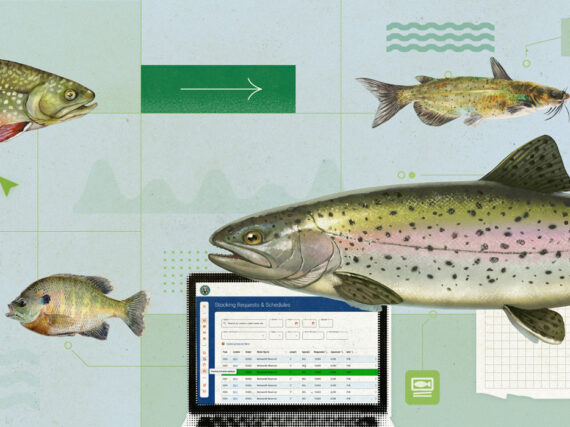
I started noticing an interesting parallel. The conservation professionals who were talking about breaking down ecological and organizational silos were often dealing with heavily siloed information systems. For example, fish production data might live in an old legacy application, while fish health records live in spreadsheets (this was the case in Colorado when we first built Streamline). The many systems, from hatchery operations, to stocking records, transfers, inspections, diagnostics, and lab results, are often managed through separate tools and processes.
Integrating all of these component parts of the process is exactly the challenge Streamline was designed to solve in the first place.
When we originally developed the platform, one of our goals was to bring fish production and aquatic health workflows together into a shared system. Not because integration is a buzzword, but because better visibility leads to better decision making. A hatchery manager evaluating a stocking request needs to know about the presence (or absence) of whirling disease before they stock any fish. Similarly, pathologists and lab technicians need to be able collaborate and communicate findings using the same case record with standardized reporting. The people responsible for managing fisheries resources shouldn’t have to chase information across multiple systems before they can act.
The more conversations we had at WAFWA, the more we felt that the need for connected information mirrors the broader trend of interconnection that we were seeing across the industry.
Looking upstream
We left Boise with new ideas, new relationships, and a deeper appreciation for the work being done by fisheries and wildlife professionals across the region. One of the most exciting parts of attending WAFWA wasn’t demonstrating what Streamline can do today. It was learning about what agencies need tomorrow.
The conversations we had about broodstock management, anadromous species workflows, diagnostics tracking, treatment histories, and several other areas that organizations are actively trying to improve are already shaping our roadmap as we think about the future of the platform. As we continue developing Streamline, we’ll keep following the same principle that guided our conversations in Boise: listen first, then pursue the pain points.
If your agency is exploring ways to modernize operations, reduce spreadsheet dependency, connect your hatcheries to your labs, or simply get your data off of an office whiteboard, we’d love to chat.
Contact us today for a free demo of Streamline, or just to let us know what features you’d like to see us build next.
Learn more
- Visit Streamline: A smarter platform for fish production and aquatic health
- Modernizing Fish Hatchery Operations: How Colorado Parks and Wildlife is transforming hatchery and fish health management with COFish
- Contact us for a free demo of Streamline